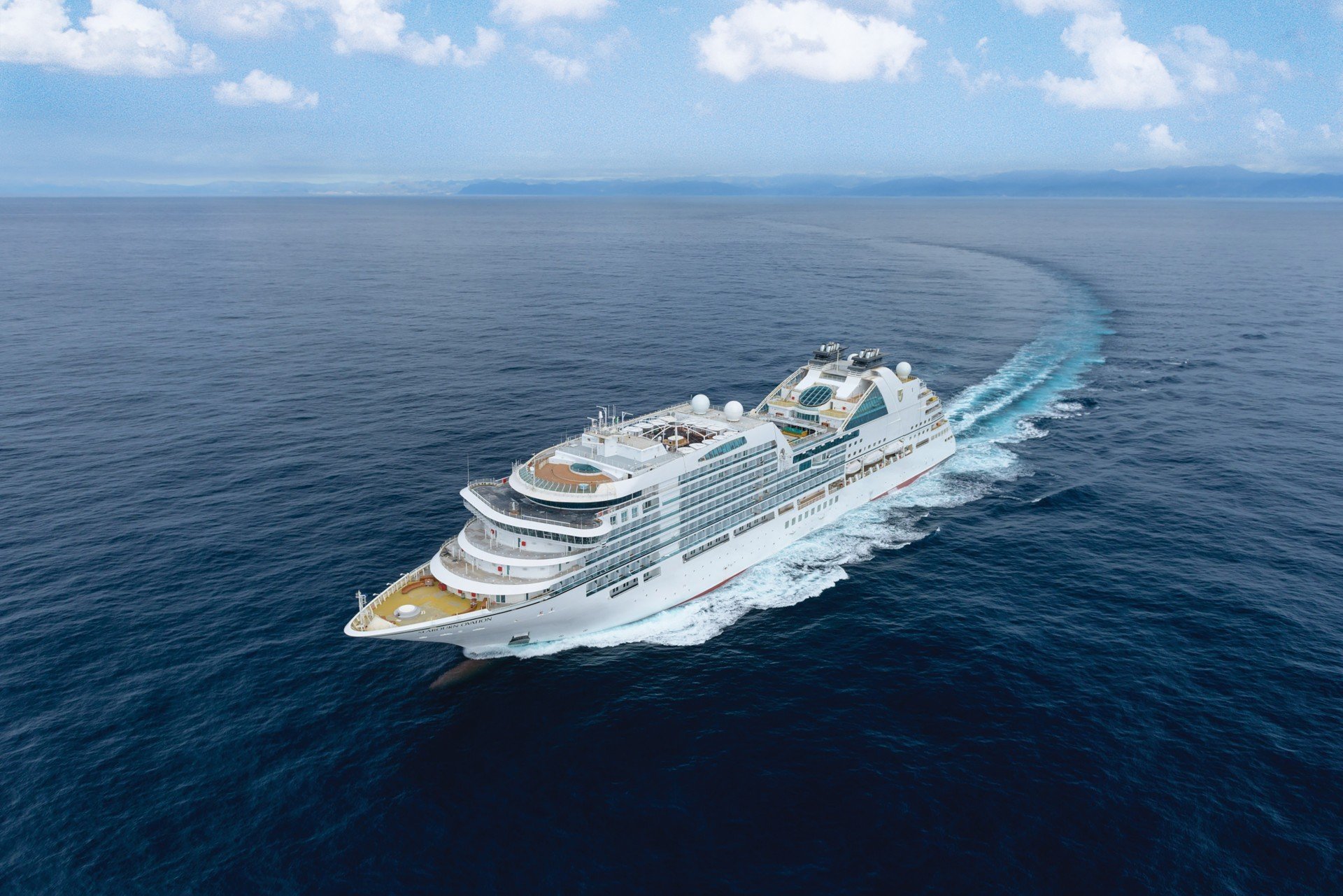
From omitting single-use plastics to encouraging volunteering with community-friendly excursions, there are many initiatives in place to inspire sustainable travel.
According to the CLIA State of the Industry report, one of the major trends in cruise is conscious travel. More of us want to see the world in a conscious and mindful way and the cruise industry is already looking to appeal to this demand.
Oceania Cruises joined forces with eco-friendly water company Vero Water to eliminate millions of plastic water bottles ever year as part of its Sail & Sustain environmental programme. The cruise line claims, once Vero’s distillation systems are installed, the whole fleet will ultimately work to eliminate around three million plastic bottles each year. Regent Seven Seas Cruises were the first luxury ocean cruise line to eliminate single-use plastic bottles, having recently done the same for single-use plastic straws.
Crystal Ocean are another great example of sustainable cruising, using several practices to remain environmentally conscious. Not only has the line eliminated all plastic straws and stirrers, replacing them in bamboo or metal options, but all waste on-board is sorted to be either incinerated, recycled or disposed of. Other on-board features include low-flow showers, energy efficient one-touch cabin lights, water filtration systems, and eco-friendly dry-cleaning. Unused toiletries are also recycled, sterilised and redistributed to impoverished nations.
For guests on board Crystal Ocean, the You Care, We Care voluntourism program offers the chance to participate in community-based conservation projects such as environmental and wildlife conservation or interacting with children and the elderly, all of which bolsters a cross-cultural understanding for local economies.
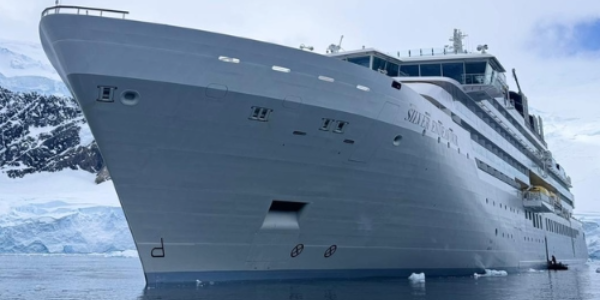
A growing destination for cruise itineraries is the Galapagos, part of the largest National Park in Ecuador and one of the most important protected natural areas in the world. Silversea’s stunning ship Silver Origin is purpose-built for the destination ensuring that it pays respect to the region while offering a truly luxurious experience. Joined by teams of Ecuadorian national expert guides and the highest cruise-to-guest ratio in the Galapagos, the ship features dynamic positioning to protect the seabed; freshwater purification systems and wastewater treatment systems and will be plastic-free, instead gifting a metallic reusable bottle to guests upon embarkation.
CLIA have announced a pledge to reduce the rate of carbon emissions across the industry’s fleet of ships by 40% by 2030, with Global Chairman Arnold Donald adding that the industry body wanted a carbon-free shipping industry by the end of the century.
Altogether, this collaborative approach is certainly impactful and something that has never been achieved before in the cruise industry. Many of the initiatives are firsts for the cruise lines, but they are important steps to take in ensuring that we can continue to enjoy exploring the world we love.
-banner.jpg)
-large_thumb.jpg)



-large_thumb.jpg)